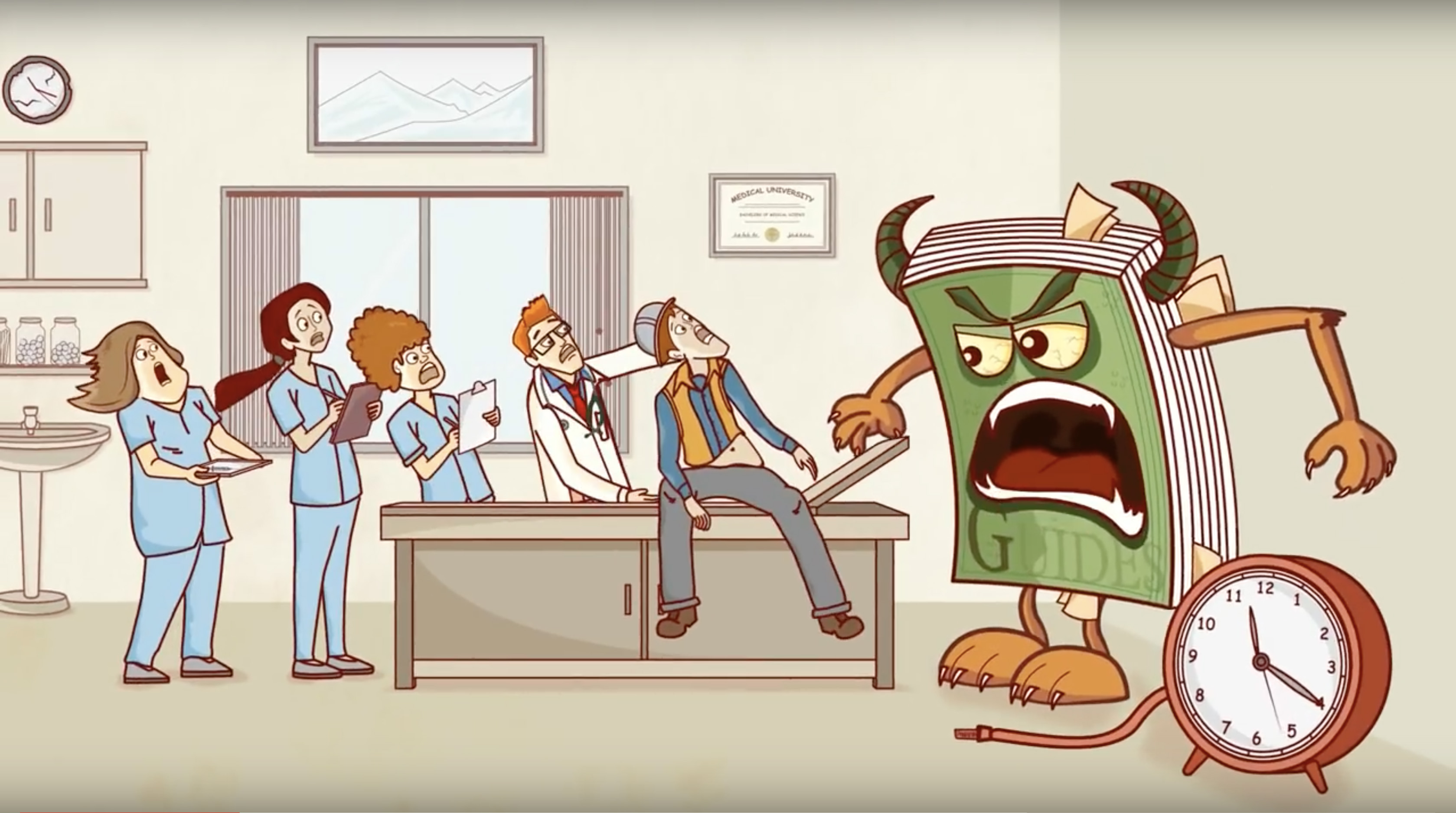
Apportionment is one of the top three decisions which can delay a WorkComp claim from closing. This is understandable, as it’s a tricky subject. Nearly all medical providers have a different idea about how apportionment should be arrived at. Insurance companies want to pay the injured worker the right price, the injured worker needs to be adequately compensated… And the employer only wants to be responsible for the part of the injury which was caused at work.
Bottom Line: There are no clear rules with apportionment. Although the law defines that only “permanent disability” is to be apportioned, there are no instructions on how the medical provider is to actually do it. Is it functional disability (eg. could lift 20 pounds before the injury and now lifts only 10 pounds)? Is it “permanent disability” from a permanent disability rating (PDR) that results from an impairment measurement (eg. %Whole person impairment, which may or may not result in true permanent functional disability). Or, is it a change in treatment burden such as medications, therapy, and or other measurable medical support that is now needed, new, or increased from a pre-injury condition to maintain the new level of function? Which one is a correct method? They can all be used clinically with equal defensibility when correctly explained and supported.
There are a few things which can be referenced when deciding apportionment, in order to keep consistent, objective impairment reports.
Let’s start with some definitions.
- Apportionment is one of the subsets of the PR-4 report.
- It’s a section where the medical provider is asked to make a determination if the permanent disability that results from the work injury may be attributed medically to any other conditions.
Now time for a real-world example.
A gentleman who is 25 y/o is lifting a box at work. He injures his back and receives treatment. At the conclusion of the report the doctor is going throught the case history and it turns out that the worker had a pre-existing injury to his back. This placed him on a restriction from listing more than 20 pounds. After this new injury he can only lift 10 pounds.
Is apportionment present and if so, what %?
The answer is yes. He is 50 % apportioned to his permanent disability from the old, unrelated event when he hurt his back.
In this case we’re lucky enough to have a clear a baseline of pre-existing disability, we know the worker is at MMI, and now there’s a new level of permanent disability. This makes the apportionment determination much simpler, and helps with the timely closure of the claim. Remember apportionment is no walk in the park, so if you’re looking for any advice feel free to Submit a PR-4 report for review today!